

I remember when parenting advice came from your mom or maybe a dog-eared copy of Dr. Spock.
Now you’ve got Instagram experts, TikTok psychologists, and your neighbor swearing by some method you’ve never heard of. And they’re all saying different things.
You’re trying to figure out screen time limits while also teaching emotional regulation. You want your kid to be resilient but not shut down. Connected but independent. And every article you read contradicts the last one.
How parenting is different today drhparenting has become a question I hear constantly from exhausted parents who just want to know what actually works.
I’ve cut through the noise to focus on what the research actually supports. Not trends. Not viral parenting hacks. Just evidence-based strategies that help you raise emotionally intelligent kids while keeping your sanity intact.
This guide walks you through practical techniques that build real connection. The kind that makes your household calmer and your relationship with your kid stronger.
You’ll learn how to handle the challenges that didn’t exist when we were growing up. Things our parents never had to think about.
No judgment. No overwhelming lists of things you should be doing. Just clear, actionable steps that fit into real life.
The Foundation: Shifting from Control to Connection
You’ve probably said it.
“Because I said so.”
I used to say it all the time. And honestly, it worked. For about five minutes. Then the whining started again or the behavior came right back.
Here’s what I figured out. Kids don’t cooperate because we tell them to. They cooperate when they feel connected to us.
That’s connection-based parenting in a nutshell. It’s putting the relationship first and letting that drive everything else.
Some parents push back on this. They say kids need clear authority and firm boundaries. That connection-focused approaches create entitled kids who don’t respect rules.
I hear that concern. And boundaries matter. But here’s where that thinking falls short.
Authority without connection just breeds compliance based on fear. The moment you’re not watching, the behavior falls apart. The kid never learns why something matters. They just learn not to get caught.
Connection changes that equation.
When your child feels seen and heard, they want to work with you. Not because they’re scared of consequences but because the relationship matters to them. That’s intrinsic motivation, and it sticks around long after childhood ends.
Think about why parents give advice drhparenting explores this idea. We want our kids to internalize values, not just follow orders.
So how do you build that connection when you’re already stretched thin?
Start with Special Time.
Set aside 10 to 15 minutes every day. Let your child lead. No phones, no distractions, no agenda. Just follow their play and be present.
(Yes, even if they want to play the same game for the fortieth time.)
This fills what I call their connection cup. When kids feel that cup is full, the attention-seeking behaviors drop off. The power struggles ease up.
I know how parenting is different today drhparenting addresses. We’re busier, more distracted, pulled in a thousand directions. But that’s exactly why this matters.
Your kid doesn’t need perfect. They need consistent moments where they know they matter more than your to-do list.
The payoff isn’t just short-term peace (though that’s nice). It’s building secure attachment that carries into adulthood. Research shows kids with strong parent connections develop better emotional regulation and resilience when life gets hard.
That’s the foundation everything else builds on.
Discipline That Teaches: The Move from Punishment to Problem-Solving
When your kid acts out, what’s your first instinct?
For most of us, it’s some form of punishment. Time out. Taking away screen time. Maybe raising your voice a bit.
I used to think that way too.
But here’s what changed my mind. The word “discipline” doesn’t actually mean punishment. It comes from the Latin word meaning to teach. That’s it. To teach.
Some parents say consequences are just punishment with a fancy name. They think kids need to feel bad about what they did or they won’t learn. And sure, I get where they’re coming from. We all grew up with that model.
But what if feeling bad isn’t what teaches them?
What if the lesson comes from experiencing the actual result of their choice?
That’s where natural and logical consequences come in. And before you roll your eyes, hear me out. This isn’t about being soft. It’s about being smart.
Natural consequences happen on their own. You don’t create them. You just let reality do the teaching.
Here’s what this looks like. Your eight-year-old forgets their lunchbox at home. Again. You could lecture them about responsibility. Or you could let them feel hungry until the next meal (assuming they’re old enough and it’s safe to do so).
They learn. Fast.
Logical consequences are different. You set these up, but they connect directly to what happened.
Your kid draws on the wall with marker? The logical consequence is they help you clean it. Not a lecture. Not losing TV time. They fix what they broke.
The consequence needs to be:
• Related to what happened
• Respectful in how you deliver it
• Reasonable for their age
With how parenting is different today drhparenting, we’re moving away from “because I said so” and toward teaching kids to think through their choices.
Does it work every time? No. But it builds something punishment never does.
Problem-solving skills they’ll actually use.
Decoding Emotions: The Rise of Emotional Intelligence
You’ve probably said it before.
“Just calm down.”
And then watched your child melt down even harder. I’ve been there too. It feels like you’re speaking different languages.
Here’s why that happens.
When your child is in full tantrum mode, their amygdala (the emotional part of their brain) has taken over. The logical brain that understands reason? It’s offline. Telling them to calm down is like asking someone who’s drowning to just swim better.
The science backs this up. During emotional flooding, kids literally can’t access the part of their brain that processes logic and language.
So what actually works?
Co-regulation is what changes everything. It’s the practice of lending your calm to your child so they can find their way back to balance. Think of yourself as the thermostat, not the thermometer. You set the temperature instead of just reflecting theirs.
When you stay calm, your child’s nervous system starts to mirror yours. It’s not instant, but it works.
One technique I use all the time is called “Name It to Tame It.” You give your child words for what they’re feeling. Something like “I see you’re feeling frustrated because your tower fell down.”
This simple act helps their brain integrate the emotional and logical sides. The feelings become less overwhelming when they have a name.
And here’s the part that matters most.
Validating their emotions builds trust. When you say “It’s okay to be sad that we have to leave the park,” you’re teaching them that all feelings are acceptable. Not all behaviors, but all feelings.
That’s the foundation of emotional intelligence.
Parenting looks different now than it did a generation ago. We understand more about how parenting is different today drhparenting approaches emotional development. We’re not just managing behavior anymore. We’re raising kids who understand themselves.
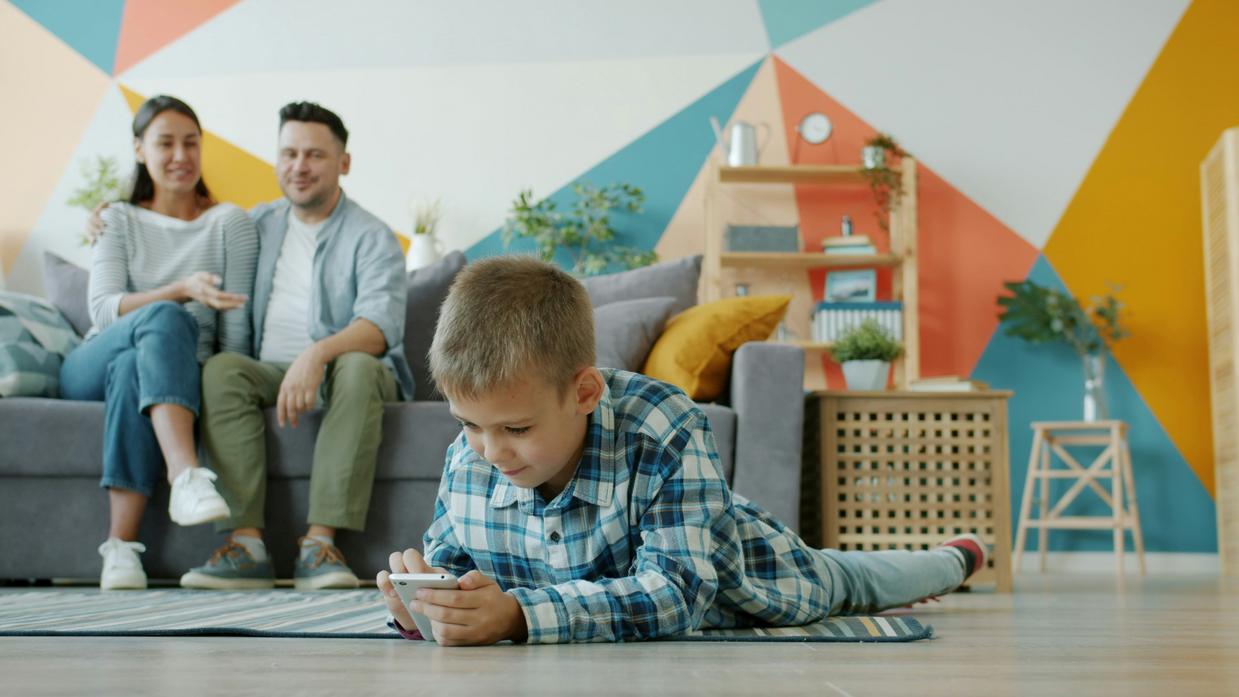
Parenting in the Digital Age: Beyond Simple Screen Time Limits
Have you ever caught yourself saying “just 30 more minutes” to your kid, then wondered if you’re doing this whole screen time thing wrong?
You’re not alone.
Most parents I talk to are stuck on the same question. How much is too much?
But here’s what I’ve learned after years of working with families. We’re asking the wrong question.
Some experts will tell you to set strict time limits and stick to them no matter what. Two hours max. One hour for younger kids. They say consistency is everything.
And look, I get why that sounds good. It’s simple. It’s measurable.
But think about it for a second. Is 30 minutes of your child creating digital art the same as 30 minutes of mindless scrolling? Of course not.
That’s why I focus on something different now.
Quality beats quantity every single time.
Instead of obsessing over minutes, I look at three things. The child (because what works for one kid doesn’t work for another). The context (are you watching together or are they alone in their room?). And the content itself (is it teaching them something or just filling time?).
This is how parenting is different today drhparenting approaches the whole tech conversation.
Here’s what actually works in real homes.
Sit down with your family and create a media plan together. Not rules you impose from above. A plan you build as a team.
Maybe the dinner table stays phone-free. Maybe bedrooms are tech-free zones after 8pm. The specifics matter less than the fact that everyone has a say.
But here’s the part most parents don’t want to hear.
Your kids are watching you more than you think. When you scroll through your phone at every red light or check email during breakfast, they’re learning what normal looks like.
You can’t set limits for them that you won’t follow yourself. (Trust me, they’ll call you out on it.)
The good news? You don’t need to be perfect. You just need to be honest about your own habits and willing to change them alongside your kids.
Your Path to Confident, Modern Parenting
You came here because the old ways aren’t working.
Yelling doesn’t feel good. Punishments create distance. And you’re tired of feeling disconnected from your kids.
I get it. You want something better.
This guide gives you four pillars of modern parenting that you can adapt to your family. No rigid rules or one-size-fits-all scripts.
The approach is simple: build connection first. Teach skills instead of demanding obedience. Validate emotions even when behavior needs to change.
These practices work because they create trust. Your kids learn that you’re on their side, and that foundation changes everything.
How parenting is different today drhparenting matters because we’re raising kids in a world that looks nothing like the one we grew up in. The strategies our parents used don’t fit anymore.
You now have a clear alternative to the cycle that leaves everyone exhausted and frustrated.
Here’s what to do next: Pick one practice to focus on this week. Maybe it’s validating an emotion when your child melts down. Or setting up 10 minutes of Special Time each day.
Start small. Build from there.
Your more peaceful home begins with that first step.
