
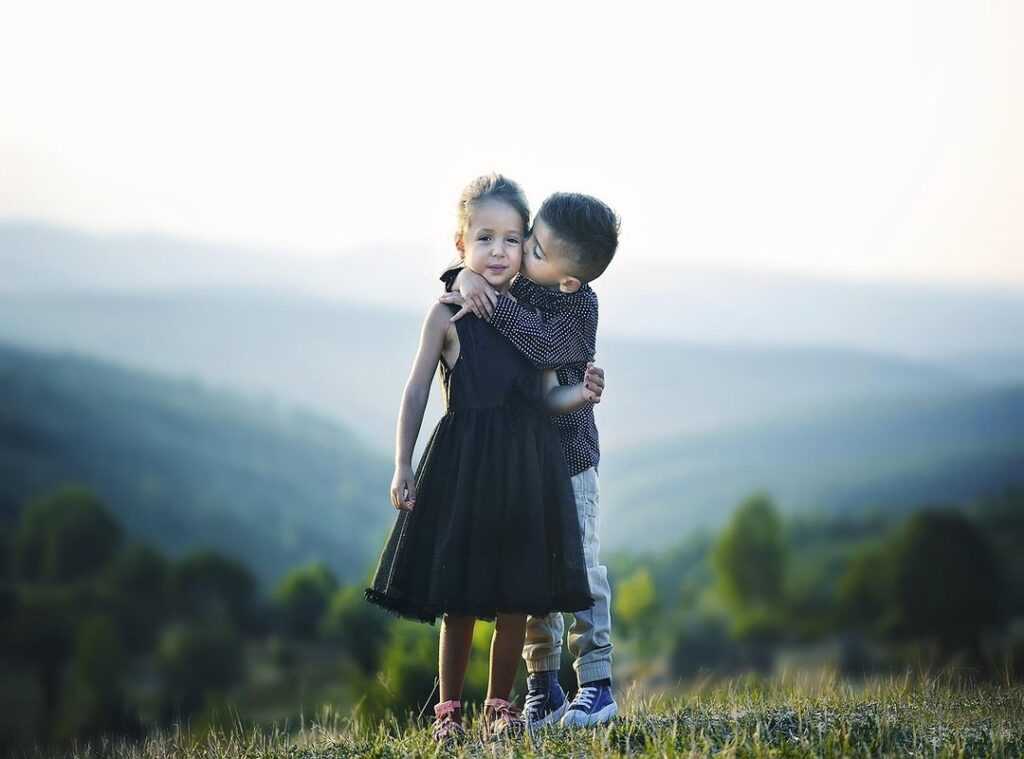
Sibling relationships can be a real rollercoaster. You have close friendships and intense rivalries. It’s complicated, right?
Many parents struggle to get it right. They want their kids to connect but often end up with conflict or distance. I get it.
In my experience, fostering positive interactions is key. I’ve seen how a supportive approach can transform a household. This isn’t about lecturing; it’s about creating a space where kids can grow together.
In this article, I’ll share practical sibling relationship tips that you can easily fit into your daily life. No matter the ages of your kids, these strategies can work.
Strong sibling bonds lead to lifelong support, useful lessons, and a sense of belonging. You don’t want your children to miss out on that. Let’s dive into some effective ways to boost those connections.
You’ll see the difference before you know it.
The Heartbeat of Family: Sibling Bonds That Last
I’ve seen firsthand how siblings shape our lives. They’re our first partners in crime, teaching us the ropes. Ever notice how your negotiation skills with friends mirror those epic battles over the last cookie?
Sibling relationships are a boot camp for life. They teach us sharing, empathy, and resilience. All those games and disagreements with your sibling built your social skills and emotional intelligence.
Think about it.
The deep impact siblings have sticks with us, even when we’re old enough to drive our own kids around. But let’s get real. It’s not all sunshine and board games.
Jealousy and rivalry? They’re as natural as breathing. Yet, these aren’t just challenges.
They’re growth opportunities.
Feeling competitive with your brother isn’t the end of the world; it’s a chance to learn respect. Working on “enhancing sibling bonds” doesn’t mean no fights. It means building a foundation of respect that can take a few punches.
So, what’s the takeaway for us today? Look at those sibling squabbles differently. They’re teaching “sibling relationship tips” and life skills for the future.
The goal is to nurture a connection that sticks through all the ups and downs. That’s a bond worth working on.
Creating Shared Experiences: Sibling Bonds that Last
Ever wonder how on earth you can get siblings to bond without the daily squabbles? You and me both. I’ve found that practical, shared activities do wonders for building cooperation and teamwork.
Game nights aren’t just fun; they’re exercises in diplomacy (seriously). When siblings choose activities, like outdoor adventures or cooking, it creates a sense of shared purpose.
But let’s talk about “sibling-only” time. It’s key for them to have moments where they can just be together without us hovering. Whether they’re tackling a craft project or building a backyard fort, these times build independence and mutual reliance.
Now, managing age gaps can be tricky, but find common ground. An older sibling reading to a younger one. While the younger helps with a simple craft (is) golden.
Don’t forget collaborative projects! Things like creating a family scrapbook or planning a small event lets each child shine in their own way.
Of course, all this isn’t easy when you’re juggling a million things. It’s like managing screen time multiple kids. It takes effort but pays off big time.
These are your go-to sibling relationship tips. Try them and watch the magic happen.
The Art of Sibling Harmony: Communication and Conflict
You know what’s often overlooked in sibling dynamics? The power of effective communication. Teaching siblings to use “I” statements (like, “I feel upset when you take my stuff without asking”) is a game-changer.
It shifts the blame game to a personal perspective. Why is this important? Because it builds empathy and helps them advocate for themselves.
It’s tough, but key. You don’t need to step in every time they argue. Instead, guide them to mediate their disputes.
Now, let’s talk about listening. Active listening is underrated. When siblings actually hear each other out, they start understanding different viewpoints.
This way, they learn to solve problems by focusing on fairness and compromise.
Family meetings? Yes, they’re not just for TV families. They’re a brilliant way to air grievances and discuss solutions together.
Every kid gets a voice, which matters more than you’d think.
And forgiveness. It’s key. Teach them to move on after conflicts are resolved.
Holding grudges doesn’t help anyone. Relationships are worth repairing, right?
These sibling relationship tips aren’t just about avoiding fights. It’s about preparing them for future relationships too. If they learn these skills now, they’ll be ahead of the game later on.
Cultivating Unique Kids: Balance Without Bias
Raising kids is a minefield of comparisons. But why should individuality lead to competition? Each child has their own talents, and it’s our job to celebrate them without sparking rivalry.
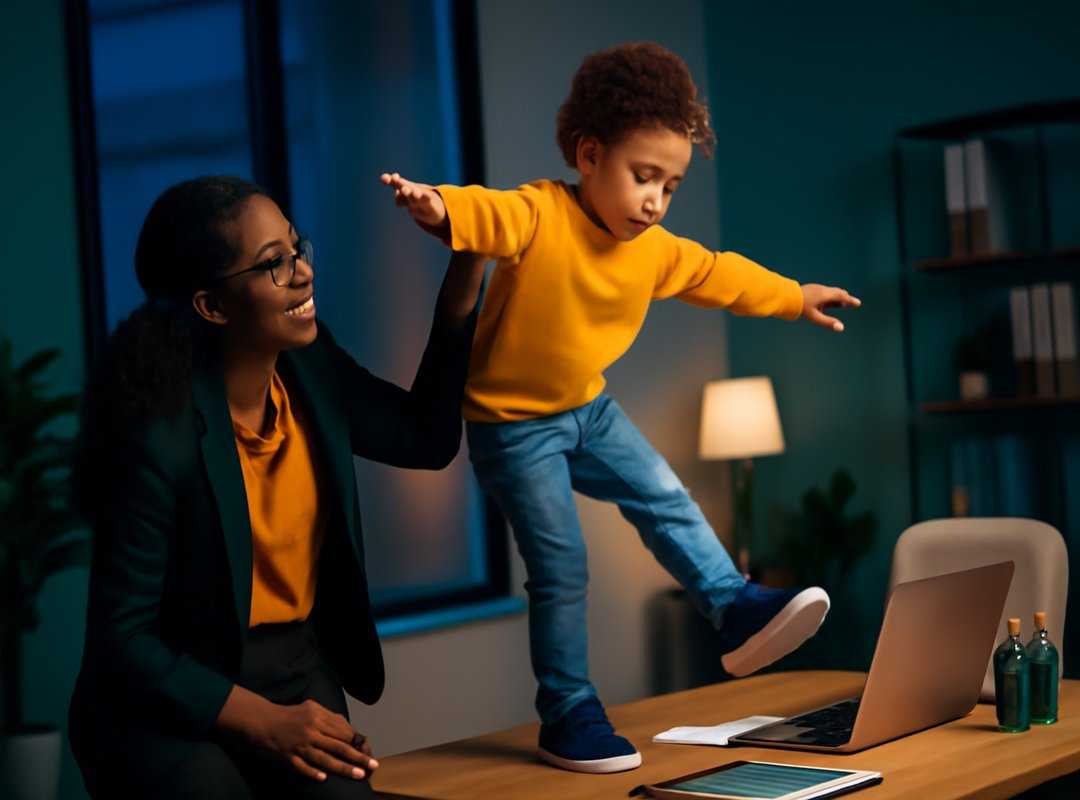
You might be asking, how can we do that? Well, set aside individual “special time” for each child. This isn’t about outshining one another, it’s about being seen and heard.
It matters.
Favoritism, though (what) a trap. Treating children equitably doesn’t mean identically. They have different needs, and that’s okay.
Acknowledge their stages and respond accordingly. It’s tricky but necessary if you want them to feel valued equally.
Encourage them to support each other too. Cheering at games, helping with homework (these) build bonds. It’s not just about showing up; it’s about genuinely caring.
This creates a sense of team within the family, where success is shared and failures are comforted.
If you’re looking for more sibling relationship tips, there are resources out there. The goal is a family that thrives together, not one that competes for attention. Pro tip: Build a spirit of celebration over competition.
It’ll pay off.
Guiding Siblings: A Parent’s Role
Being a parent isn’t just about setting rules. It’s about being a role model for respectful communication and empathy. When you show kindness in your interactions, your kids notice.
They learn more from what you do than what you say (even if they pretend not to).
Clear family rules can help. Make sure everyone knows how siblings should treat each other. And don’t just set rules.
Enforce them. Consistent consequences for disrespect or aggression teach kids boundaries. But when should you step in during a sibling squabble?
It’s tricky. Focus on safety and preventing emotional harm. Sometimes they need to work it out themselves to learn self-regulation.
It encourages more of the behavior you want to see.
Praise is solid. When you see siblings cooperating or resolving conflicts peacefully, highlight those moments. Positive reinforcement is a game-changer.
Patience is key. Strengthening sibling bonds isn’t a one-time fix. It’s ongoing.
It takes adaptability, effort, and love. Need more tips? Check out effective communication family for takeaways.
Remember, you’re not just raising kids. You’re shaping their relationships. So, keep at it.
You’re doing more than you think.
Strengthening Sibling Connections Starts Now
I know you’re looking for ways to improve those sibling relationships. The sibling relationship tips we discussed give you practical strategies to help your kids connect. Life gets busy, and it’s tough to prioritize these bonds.
But when you create moments for connection and teach them to communicate better, you make a real difference.
Choose one or two tips to try this week. Watch how those small changes can bring your children closer together. The gift of strong sibling bonds lasts a lifetime.
So let’s get started and nurture those connections today! Your family deserves it.
