
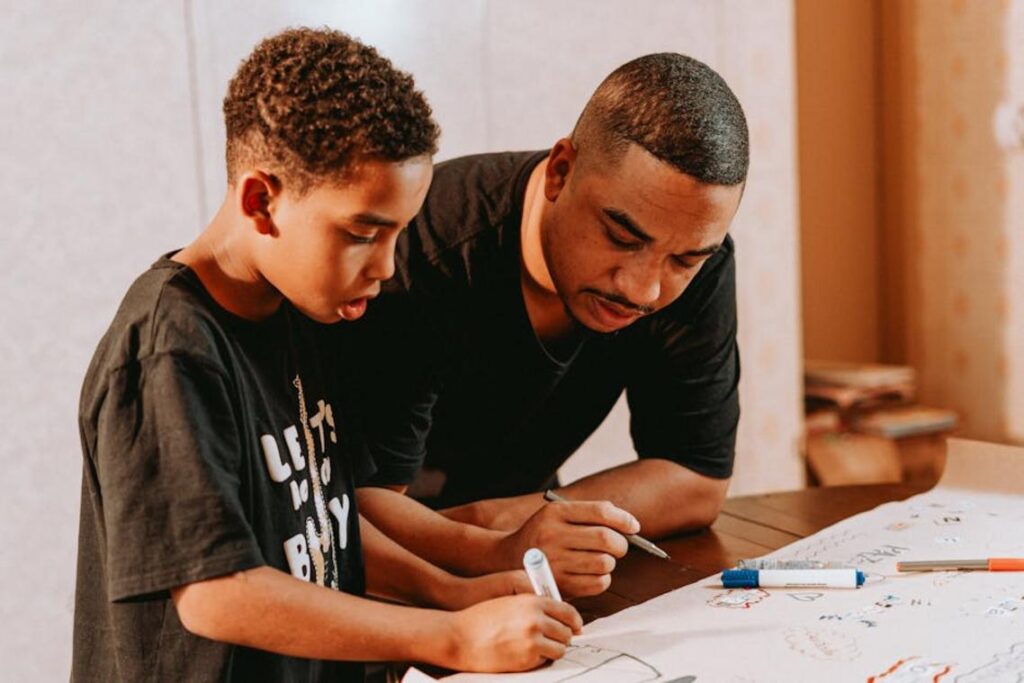
I know what it’s like when you’re second-guessing every parenting decision you make.
You read one article that says to do things one way. Then another expert tells you the complete opposite. Meanwhile, your kid is melting down in the grocery store and you’re just trying to get through the day.
Parenting shouldn’t feel this hard.
I’ve spent years working with families who felt stuck in the same cycle. The yelling, the power struggles, the guilt that keeps you up at night wondering if you’re doing this whole thing wrong.
Here’s what I’ve learned: you don’t need more information. You need the right information that actually works in real life.
This parenting guide drhparenting pulls together strategies that are backed by child development research but simple enough to use when you’re exhausted and running on coffee. No complicated theories. Just what works.
You’ll find techniques you can start using today to feel calmer and more connected with your kids.
Because the truth is, you already care enough to be here reading this. That’s half the battle right there.
Let’s make the other half easier.
The Foundation: Building Connection Before Correction
Have you ever noticed how your kid listens better after you’ve had a good day together?
It’s not a coincidence.
When your child feels connected to you, they actually want to cooperate. Not because they have to, but because the relationship matters to them.
Some parents say this sounds too soft. They argue that kids need firm boundaries first and connection second. That if you focus too much on the warm fuzzy stuff, you’ll raise entitled brats who never listen.
I hear that concern.
But here’s what actually happens when you skip the connection piece. You end up in a constant battle. Every request becomes a fight because your child’s emotional tank is empty and they’re running on fumes.
The truth? Discipline works better when the relationship is strong. It’s that simple.
Let me show you three ways to build that foundation.
Special Time
Set aside 10 to 15 minutes every day for one-on-one play. Let your child lead. If they want to play dinosaurs for the hundredth time, you play dinosaurs.
This fills their attention tank. And when that tank is full, those attention-seeking behaviors drop off.
The 5-to-1 Ratio
For every correction you give, aim for five positive interactions. A hug. A compliment. A shared laugh over something silly.
Think of it like a bank account. You need deposits before you can make withdrawals.
Listen to Understand
Get down on their level when they’re upset. Make eye contact. Repeat what you hear (it sounds like you’re really frustrated that the tower fell).
This validates what they’re feeling. And when kids feel heard, they trust you more.
Sound familiar? That moment when your child melts down and you just want them to stop, but what they really need is for you to see them?
That’s where this parenting guide drhparenting approach makes the difference. Connection first, then correction.
Mastering Communication: How to Talk So Kids Will Listen
You’ve probably said it a hundred times.
“Stop running!” “Don’t touch that!” “You never listen to me!”
And yet nothing changes. Your kid keeps doing the exact thing you told them not to do.
Here’s what most parents don’t realize. The problem isn’t your kid’s hearing. It’s how we’re wiring the message.
I know some experts say kids just need stricter boundaries. That if you’re firm enough, they’ll fall in line. And sure, boundaries matter.
But here’s what they’re missing.
You can have the firmest boundary in the world and still watch your kid melt down if you don’t communicate it right. The words you choose actually change how their brain processes what you’re saying.
Let me show you what works.
Use ‘I Feel’ Statements
Drop the blame game. Instead of “You NEVER listen!” try “I feel frustrated when I have to repeat myself.”
See the difference? You’re teaching them about emotions without making them the villain. (And honestly, it keeps you calmer too.)
Acknowledge Feelings, Hold the Boundary
Your kid is losing it because you’re leaving the park. I get it. They were having the time of their life.
Try this: “I know you’re disappointed we have to leave. It’s hard to stop when you’re having fun, and it’s time to go home for dinner.”
You’re not caving. You’re just letting them know you see them.
Offer Limited, Acceptable Choices
Want to end the pajama battle tonight? Stop making it a command.
“Do you want to wear the red pajamas or the blue pajamas?” instead of “Get your pajamas on NOW!”
Two choices you can live with. They feel in control. You still get what you need. The parenting guide drhparenting approach shows this works because kids cooperate more when they have some say.
State What TO Do, Not What to Stop
Here’s the thing about “don’t.” Your kid’s brain often skips right over it.
Instead of “Don’t run!” say “Please use your walking feet inside.”
You’re giving them something to DO instead of something to avoid.
It feels weird at first. But watch what happens when you flip your language. The fights get shorter. The cooperation gets better.
Not perfect. Just better.
Navigating Difficult Behavior: From Tantrums to Teamwork

Let me tell you something most parenting books won’t admit.
Your kid isn’t broken. You’re not failing.
Challenging behavior is just part of growing up. Every single child goes through it. The difference isn’t in the behavior itself but in how we respond to it.
I’ve watched parents beat themselves up over tantrums in Target or meltdowns at bedtime. They think it means they’re doing something wrong.
But here’s what’s really happening.
Your child is learning to exist in a world that doesn’t always make sense to them. They’re figuring out emotions they can’t name yet and dealing with frustrations they can’t explain.
The behavior you’re seeing? It’s communication.
Look for the ‘Why’ Behind the Behavior
Before you react to what your child is doing, pause for a second.
Ask yourself what they might actually need right now. Are they exhausted from a long day? Hungry because lunch was three hours ago? Overstimulated from too much screen time or too many people?
Sometimes kids act out because they just want to feel connected to you (even if throwing blocks seems like a weird way to show it).
When you address the real need instead of just shutting down the behavior, things change faster. This is something I talk about in my parenting guide drhparenting, and it’s one of those shifts that sounds simple but makes a huge difference.
Stay Calm When They Can’t
I know it’s hard when your kid is screaming in the middle of a restaurant.
But here’s the thing. When they’re having a meltdown, their brain literally can’t process logic or consequences. They need you to be the calm in their storm.
Don’t match their energy. Stay present. Keep your voice low. Offer a hug if they’ll take it or just sit nearby if they won’t.
This is called co-regulation. You’re teaching them what calm feels like by being it yourself. Over time, they learn to find that calm on their own.
Use Consequences That Actually Teach
Forget punishment for a minute.
What actually works are consequences that make sense. There are two types I use:
Natural consequences happen on their own. If your kid refuses to wear a coat, they get cold. You don’t have to lecture. The experience teaches them.
Logical consequences are related to what happened. If they dump out all the toys, they help pick them up. If they throw food, mealtime ends.
The key is keeping it respectful. You’re not trying to make them feel bad. You’re helping them connect their actions to what happens next.
Some parents say consequences don’t matter and kids should just have total freedom. I get where they’re coming from. Nobody wants to be the bad guy.
But kids actually feel safer when they understand how things work. Boundaries aren’t mean. They’re a roadmap for which parenting style is the best drhparenting approach you choose.
You’ve got this.
Fostering Resilience and Independence for the Future
Look, I’ll be honest with you.
Nothing drives me crazier than watching parents do everything for their kids. And I mean everything.
Tying shoes at age eight. Cutting food for a ten-year-old. Doing their homework because it’s faster.
I get the impulse. You want to help. You want things to go smoothly. But here’s what’s really happening: you’re teaching them they can’t handle life without you.
That’s not parenting advice drhparenting should ignore.
Our real job? Preparing them for when we’re not around.
Praise the Effort, Not the Outcome
Stop saying “You’re so smart!” when they finish something.
Instead, try “You worked so hard on that puzzle!” It builds what psychologists call a growth mindset. They learn that effort matters more than natural talent.
Give Them Real Responsibility
Age-appropriate chores aren’t punishment. They’re how kids learn they matter.
A five-year-old can set the table. A seven-year-old can fold laundry (even if it’s messy). A ten-year-old can make simple meals.
When they contribute, they feel valued. They become capable.
And that’s the whole point.
Your Next Step Towards a More Peaceful Home
You came here feeling overwhelmed.
I get it. Parenting can feel like you’re constantly putting out fires with no clear plan.
But now you have something different. A toolkit of strategies that actually work because they’re built on connection and real communication.
These aren’t quick fixes. They’re long-term skills that honor your child as an individual while you maintain firm, loving boundaries.
That’s why they stick.
Here’s the thing though. Don’t try to do everything at once.
Pick one tip that speaks to you. Maybe it’s starting Special Time tonight with your kid. Just fifteen minutes of focused attention can shift the entire dynamic in your home.
Start there.
You can replace that overwhelmed feeling with confidence. You just need a clear plan and the willingness to take that first step.
parenting guide drhparenting exists to give you exactly that. Real strategies for real families.
Your more peaceful home starts with one small change today.
