
Are you tired of hearing the dreaded phrase “I’m bored” from your kids?
I get it. Finding ways to keep children engaged can feel impossible.
home science experiments come in.
These experiments aren’t just fun; they spark curiosity and make learning exciting.
I’ve discovered that simple activities at home can turn a mundane day into a memorable one.
From fizzy volcanoes to homemade slime, there’s so much to explore.
And let’s be honest, kids love getting their hands dirty.
The best part? You don’t need a PhD to guide them.
I’ll show you how to create these experiments with everyday items.
You’ll feel empowered knowing you’re fostering a love for science.
This article is packed with practical ideas that you can try today.
You’ll have your kids learning and laughing in no time.
Trust me, you’ll never hear “I’m bored” again.
Get ready for some fun!
At-Home Science: Sparking Young Minds
Ever wondered why kids ask “why” 50 times a day? It’s because they’re naturally curious and eager to learn. Home science experiments tap into this curiosity, turning daily questions into fascinating investigations. You don’t need fancy gadgets either.
Dig into your closet, grab some household items, and you’re set for a science adventure that’s stress-free and fun for everyone involved.
Here’s a thought: What if doing these experiments together could actually strengthen your family bond? Sharing experiments and discoveries with your child isn’t just educational (it’s) an incredible way to bond. Discussing what you observe, laughing at the surprises, and working through the questions as a team builds a connection that’s hard to match.
These moments create a foundation for their education but for your relationship too.
Sure, it’s not about pressuring them into becoming scientists. Let them explore freely. That’s how seeds of interest in STEM fields are planted.
Plus, their key thinking and problem-solving skills develop naturally. It’s like when you do creative crafts rainy days, but with a scientific twist. Who wouldn’t want their kid to love learning?
It’s a win-win.
Getting Started: Your At-Home Science Lab Essentials
Setting up your own science lab at home is easier than you think. You probably already have everything you need! Baking soda, vinegar, and food coloring are the holy trinity of home science experiments.
Throw in some plastic bottles, dish soap, and paper towels, and you’re all set for an afternoon of discovery.
Here’s a pro tip: create a designated “science kit” in a box to store these items. It makes experimenting super easy when everything’s in one place. (Plus, it saves you from ransacking the kitchen every time curiosity strikes.)
Safety first, though. Always have adult supervision (this) isn’t the time to unleash your inner mad scientist. A simple rule: no tasting anything.
Also, grab some protective eyewear (even sunglasses work) to shield those peepers. And when you’re done? Dispose of everything properly.
Set up a mess-friendly workspace. An old towel or a plastic tablecloth can save your table from becoming a giant science experiment itself. Or, take it outside.
Fresh air and learning go hand in hand. Remember, a little mess means they’re learning. And honestly, isn’t that what this is all about?
Fizzing Fun: Chemistry Experiments That Spark Joy
to some classic home science experiments that I know will get kids excited. We start with the good ol’ volcano eruption. Grab baking soda, vinegar, dish soap, and food coloring.
Mix them just right to create that iconic fizz. It’s a fun way to demonstrate an acid-base reaction. Why does this happen?
The vinegar (an acid) reacts with baking soda (a base), producing carbon dioxide gas. You see all those bubbles? That’s the gas escaping.
Watch it with your kids and ask: “What do you think is happening?”
Next up, the DIY lava lamp. Use oil, water, food coloring, and an Alka-Seltzer tablet. The key here is density.
Oil and water don’t mix, right? The tablet releases gas, making those colored blobs move around. It’s mesmerizing!
Ask, “Why do you think the blobs rise and fall?”
Finally, the Rainbow in a Jar. Layer different sugar-water solutions carefully. The sugar content creates different densities.
You’ll get a jar full of colors that stay separate. Ask your kids, “How do the layers stay in place?” These experiments don’t just amuse (they) teach key thinking. They spark curiosity, a key skill in any budding scientist.
Enjoy these activities and watch the joy unfold!
Home Science Adventures: Dive into Physics & Biology
Ever wondered why some things float while others sink? Grab a coin, cork, sponge, and paperclip. Predict which will float or sink in water.
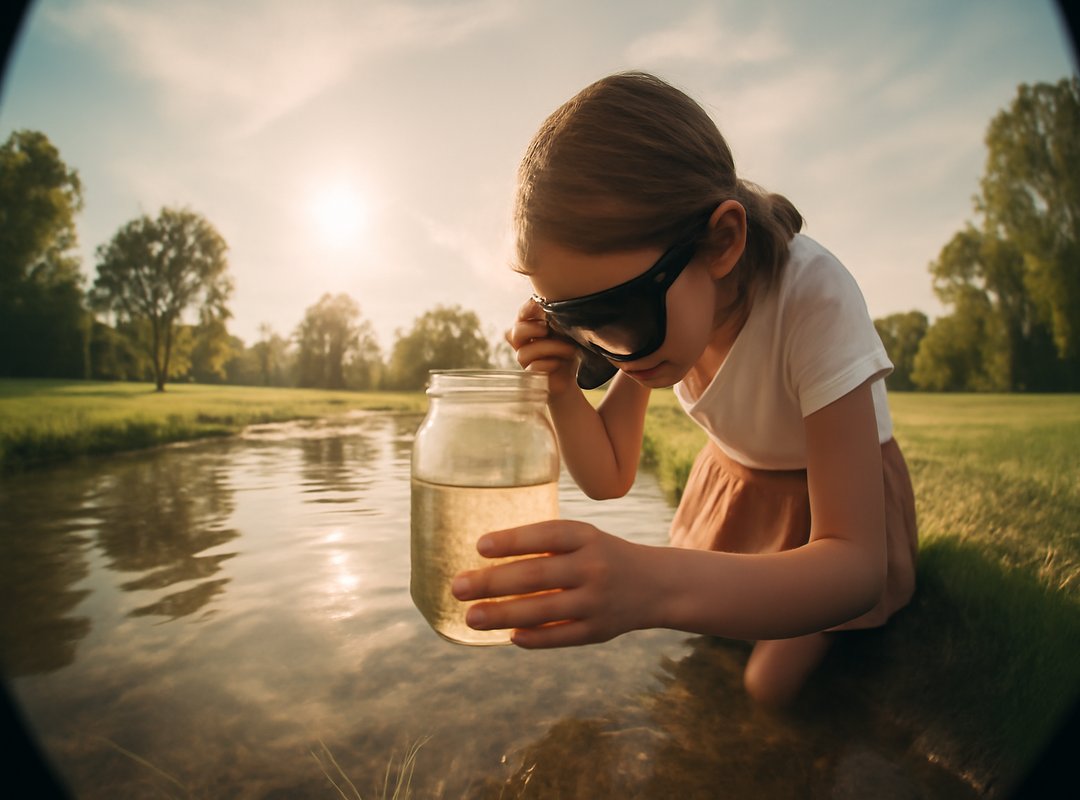
Buoyancy and density are at play here. It’s fascinating watching kids’ faces light up with realization (or frustration).
Now, let’s talk slime. Or Oobleck. Mix cornstarch with water, and you’ve got yourself a mess that defies being just a liquid or solid.
It’s a non-Newtonian fluid (fancy name for something that acts weird under stress). Kids love it, and it’s one of those home science experiments you won’t mind them getting messy with.
Plant lovers, take note. A seed germination jar is simple yet magical. A bean, wet paper towel, and clear jar let you peek into the secret life of plants.
Roots and sprouts show us that even seeds have needs.
Ever made a cloud? You can in a jar with hot water, ice, and hairspray. It’s a mini weather lesson at home.
And if you want more, check out these 150 science experiments.
Beyond the Experiment: Asking Questions and Sparking Curiosity
Ever thought about how much science is packed into everyday life? It’s kind of wild when you think about it. Turn your home into a lab with simple home science experiments.
The secret sauce? Ask questions. Why do things float in the bathtub?
Or what’s up with those ants in the garden?
You know those moments when kids ask “why”? Don’t brush them off. Turn it into a game.
Wonder out loud. What if… the cake doesn’t rise in the oven? What could we change next time?
It’s like opening the door to endless possibilities.
Encourage kids to make guesses before trying something new. Let them predict what might happen. Then compare.
Did reality match their expectations? That’s a lesson in itself. Science isn’t about perfect outcomes.
It’s about resilience. And adapting when things go sideways.
Curiosity shouldn’t stop at home. Dive into Outdoor Adventures Family Style. Learning extends beyond four walls.
Remember, the goal is nurturing a love for exploration. Not to nail every experiment. Isn’t that what life’s about, really?
Seeking answers but cherishing the journey. It’s a mindset worth cultivating.
Take Action and Ignite Curiosity
You’ve got this. You now have a treasure of home science experiments ready to make science fun at home. I know you felt unsure about how to make it engaging.
Those concerns are behind you now.
These activities are easy, low-cost, and use items you already have. They spark key thinking and create lasting memories.
So, why wait? Choose one activity from the list and start today. The journey of discovery begins with a single step.
Remember, your role is key in nurturing your child’s curiosity. Your involvement can light the fire of lifelong learning.
Get started now, and watch your kids explore and grow. You won’t regret it.
