
Blended families face unique challenges that can feel overwhelming. It’s not just about merging households; it’s about blending lives, emotions, and expectations. I know firsthand how complicated it can get.
You might be wondering how to create harmony among step-siblings or get through tricky co-parenting situations. That’s where practical advice comes in.
In this article, I’m sharing blended family tips that can help you tackle these dynamics with confidence. I’ve gathered takeaways from years of experience and various resources that can make a real difference. You deserve actionable strategies that don’t just sound good in theory but work in real life.
Whether you’re looking for communication strategies or ways to build trust, I’ve got you covered. Together, we’ll explore how to create a supportive environment for everyone involved. By the end of this piece, you’ll have the tools to build connection and understanding in your blended family.
Blended Families: Navigating the Mix
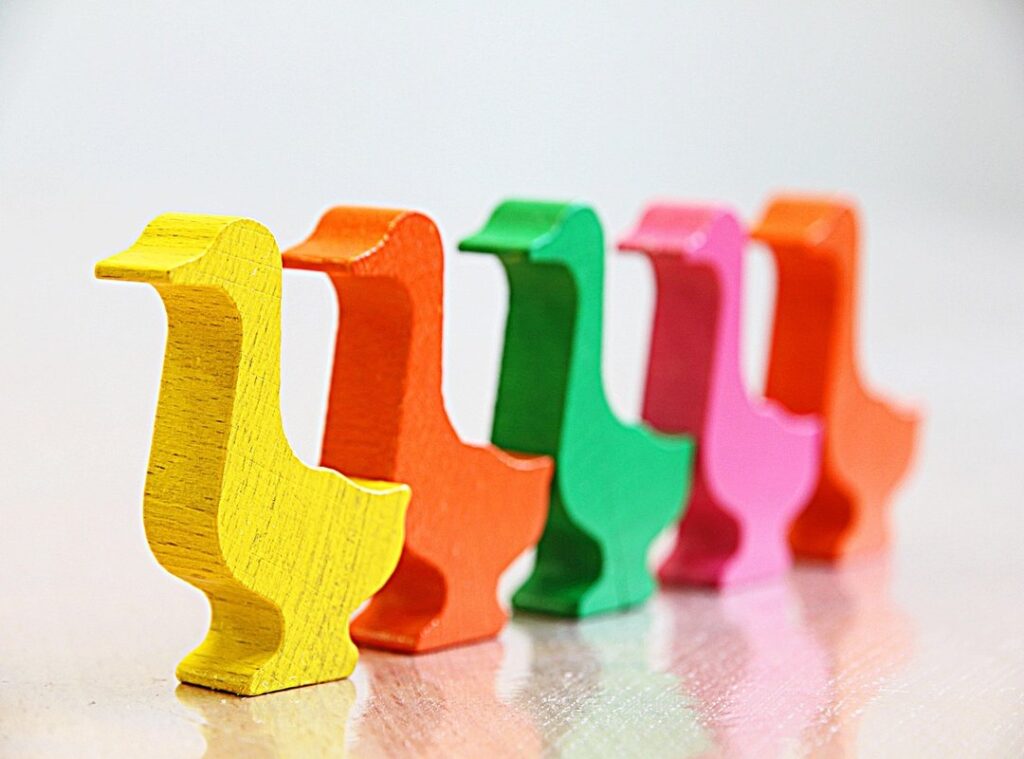
Blended families. They’re like a puzzle with too many pieces. You’ve got kids from previous marriages, step-siblings, and new partners all trying to fit together.
It’s not easy. But hey, who said family was supposed to be simple?
Let’s talk about the common challenges. Integrating children from different backgrounds is a big one. Kids can be territorial, right?
They’re not always thrilled about sharing their space or their parents. And then there are the emotional dynamics. Step-siblings might clash, and step-parents?
They often feel like outsiders trying to fit in. It’s a dance, really, with each step needing careful thought.
Managing expectations is key. You can’t force relationships to happen overnight. It’s a slow process.
Building strong relationships means patience and effort. Don’t rush it. Remember, each family member has their own pace.
Got a pro tip for you: Communication is key. Talk openly about feelings and concerns. It sounds cliché, but trust me, it works.
Keep the dialogue open, even when it’s tough.
For more blended family tips, focus on creating new traditions together. It helps bind everyone into a cohesive unit. After all, isn’t that what families are about?
Communication: The Glue of Family Life
Open and honest communication is the backbone of any family. Without it, misunderstandings thrive. You know what annoys me?
When people dance around important topics instead of just saying what’s on their mind. In a blended family, which is a tricky changing, it’s even more key to speak openly (and with kindness).
Facilitating family meetings isn’t about being formal. It’s about finding a time where everyone can chat without distractions. Keep it informal and allow everyone a turn to express thoughts.
Here’s a tip: Start with something positive. This sets a supportive tone and helps people feel appreciated.
But let’s not forget about active listening. It’s more than just hearing words; it’s about understanding the message. Nod, make eye contact, and ask questions to clarify.
Does that sound easy? It’s not always, especially when you’re tired or stressed, but it’s important.
Conflict resolution is another beast. When tempers flare, it’s key to address issues calmly. Avoid blame games.
Instead, focus on finding solutions together. Ever tried reshaping sibling conflicts into opportunities for growth? Check out Resolving Sibling Rivalry Positively for more takeaways.
Common pitfalls? Avoid jumping to conclusions and assuming you know what others mean. Misinterpretations wreak havoc.
And remember, one person’s “constructive criticism” can be another’s “attack.”
In short, blended family tips boil down to this: communicate, listen, resolve. It might sound simple, but the execution is where the magic. Or the chaos.
Happens.
Trust and Respect: The Glue of Blended Families
Trust is the backbone of any relationship, but in blended families, it’s the glue. Why is it so key? Because when two families merge, there’s often a mix of personalities, histories, and expectations.
Trust helps get through this complex terrain. Without it, you’re in quicksand. I’ve seen firsthand how trust-building activities can make a difference.
Things like family game nights or shared projects (like building a birdhouse) create opportunities for bonding.
Want some practical blended family tips? Consistency is your best friend. Kids (and adults) need to see that promises are kept.
If you say you’ll be there, be there. It’s more than words; it’s action over time.
Take patience. It’s your secret weapon. Remember, Rome wasn’t built in a day.
Blended families aren’t either. You might find it useful to explore this overview for more takeaways. Real-world examples of families who stick it out and thrive show patience pays off.
In the end, trust and respect aren’t just given. They’re earned. And that’s what makes them so valuable.
Blended families have their challenges, but they also have the potential to create something uniquely beautiful.
Building Bonds: New Family Traditions
Creating new family traditions is a game-changer. Why? Because traditions bring everyone together, making a family feel more like a family.

Especially in a blended family, it’s not just nice (it’s) important.
Let’s face it, merging different cultures and backgrounds isn’t always smooth. But when everyone gets involved in planning these traditions, it helps. Imagine a cookout where everyone brings a dish from their heritage.
It’s fun, inclusive, and suddenly, you’re blending more than just recipes.
And don’t worry if it feels forced at first. It takes time for traditions to feel… well, traditional. But stick with it.
Try activities that include everyone, like a monthly game night or a yearly camping trip. The key is to keep it simple and flexible.
Also, these traditions aren’t just about having fun. They’re about building communication too. Speaking of which, if you’re dealing with teenagers, check out this guide on effective communication with teenagers.
It can be a lifesaver.
In the end, these traditions become the glue holding everything together. They help everyone feel connected and part of something bigger. Trust me, in a world that’s constantly moving, that’s priceless.
So, what tradition will you start?
Seeking Help: When to Call the Pros
Sometimes family life feels like a never-ending roller coaster. You know what I mean. That’s when counseling can make a real difference.
I’ve seen families transform through therapy. It’s not just for “fixing” problems but for building stronger connections. So, how do you find the right therapist?
Start by asking friends or trusted sources. Check online reviews and credentials. You want someone who gets your unique dynamics.
Now, when should you seek help? If you notice constant tension, communication breakdowns, or unresolved conflicts, it’s time. Don’t wait until things hit rock bottom.
Therapy can provide the blended family tips you need to get through those tricky waters.
And here’s the thing: seeking support isn’t a sign of failure. It’s a proactive step towards better relationships. The positive outcomes?
Stronger bonds, improved communication, and a happier home. Isn’t that what we all want? So, why not give it a shot?
Embracing Your Blended Family
Building a strong blended family takes work. You need understanding and communication. Trust is important.
Create traditions that everyone can cherish. These blended family tips help you get through the challenges.
Use the strategies we discussed. Apply them daily. It won’t be perfect, but progress matters.
Want to keep learning? There are resources out there that can support you. Don’t hesitate.
Explore them.
Your family deserves a harmonious environment. So take action now. Start implementing these tips today.
You’re not alone in this journey. Reach out when you need help. Together, we can make it work.
