
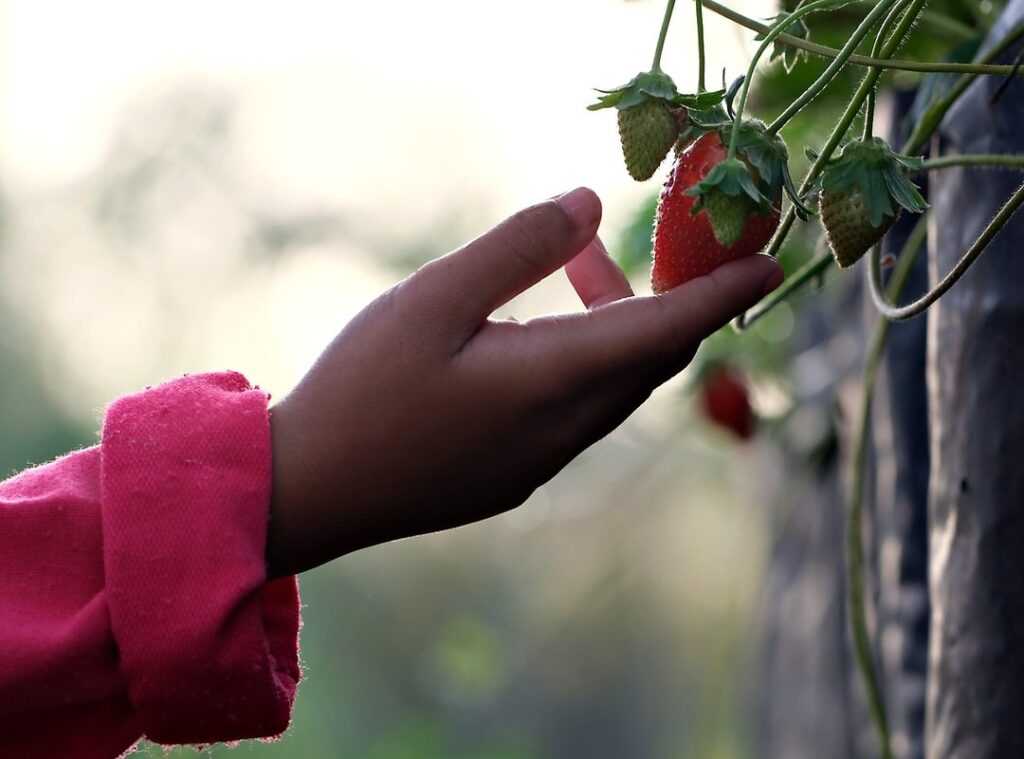
Raising kids is challenging. Sometimes, it feels like a guessing game. You wonder if your child is hitting child development milestones at the right time.
We all want to know if our kids are on track. Are they crawling, walking, talking when they should? It can be overwhelming trying to keep up with it all.
I’ve been there. I get it. This article breaks down what those milestones are, why they matter, and how to support your child through each stage.
I’ll share takeaways based on research and everyday experiences. You’ll get practical tips to help you get through your child’s growth.
You’ll learn what to expect at various ages so you can give your child the best chances for success.
By the end, you’ll feel more confident in your parenting journey. Trust me, you’ll want to keep reading.
Beyond the Checklist: Child Growth Achievements
When we talk about child development milestones, it’s easy to get obsessed with age-based checklists. You know the ones: walking by 12 months, talking by 18. But here’s the thing.
Child growth achievements are not just about ticking boxes. They’re a personal journey. Each child’s development is a unique saga of physical, cognitive, social, and emotional growth.
Why stick to rigid checklists? They can stress you out (and who needs more stress, right?). Kids aren’t robots.
They progress at their own pace, often surprising us with their unique talents. A complete view is key. Everything’s interconnected.
When a child develops socially, it affects their cognitive skills too.
Let’s talk domains. Physical, cognitive, social-emotional, and language development are the big ones. But here’s a curveball: some achievements don’t make the checklist.
Developing a strong bond with a friend or showing curiosity. These are huge wins. Expressing emotions?
That’s growth.
So, next time you’re worried about milestones, remember: it’s not all about age. It’s about the journey. Celebrate the little things, the unexpected achievements.
They matter. Your child’s path is theirs alone. Embrace it.
And let’s be honest. Parenting’s wild enough without the checklist pressure.
Mapping Physical Milestones: From First Steps to Fine Motor
Ever wonder what physical feats your child should be conquering? Let’s break it down. Gross motor skills are the big ones: sitting, crawling, walking (and oh, the running and jumping that follows!).
Typically, kids start sitting around six months, crawling by nine, and walking around a year. But don’t freak out if your kiddo’s timeline is different. They all move at their own pace.
Now, let’s chat about those fine motor skills. These are the small actions: grasping, pincer grip (think picking up Cheerios), stacking blocks, drawing, and self-feeding. They’re key for independence and learning.
Encourage these with activities like playdough or stacking blocks.
Wondering how to support this development? Create safe spaces for exploration. Tummy time is key for little ones.
Outdoor play, too. Toys that challenge them just enough to grow those skills. And remember, variations are normal.
Encouragement beats pushing every time. We want them to love the process. For more tips on setting up a home library young learners might enjoy, check out our resources.
It’s all about supporting their journey, not rushing it.
Child Development: Cracking the Code
Ever wonder if your child is really learning and understanding the world around them? It’s a puzzle, isn’t it? Recognizing child development milestones can provide some clarity.
At different ages, cognitive skills like problem-solving, curiosity, and memory take shape. For infants, it’s about object permanence (realizing) that Mom didn’t vanish just because she left the room. Toddlers engage in pretend play, crafting wild stories with their toys.
By preschool, basic reasoning kicks in. Why can’t dogs fly? They’ll ask.
You smile, but it’s their way of grappling with cause and effect.
Language is another beast. First, there’s babbling. Then, come the first words (finally!).
Eventually, they form sentences and follow instructions. It’s thrilling to see them understand “Get your shoes.”
Want to boost these skills? Talk constantly. Narrate your daily grind.
Respond to their babbles (yes,) even if it makes you feel silly. Sing songs and repeat words. It works.
For cognitive growth, read aloud. Ask open-ended questions. Play pretend games.
Simple puzzles are your friend.
So, how do you know they’re learning? Watch for those milestones. They’re like breadcrumbs on the path to understanding.
Raising Emotionally Healthy Kids: The Art of Connection
How does a child learn to manage their feelings? I get it. It’s tough out there for parents trying to get through child development milestones.
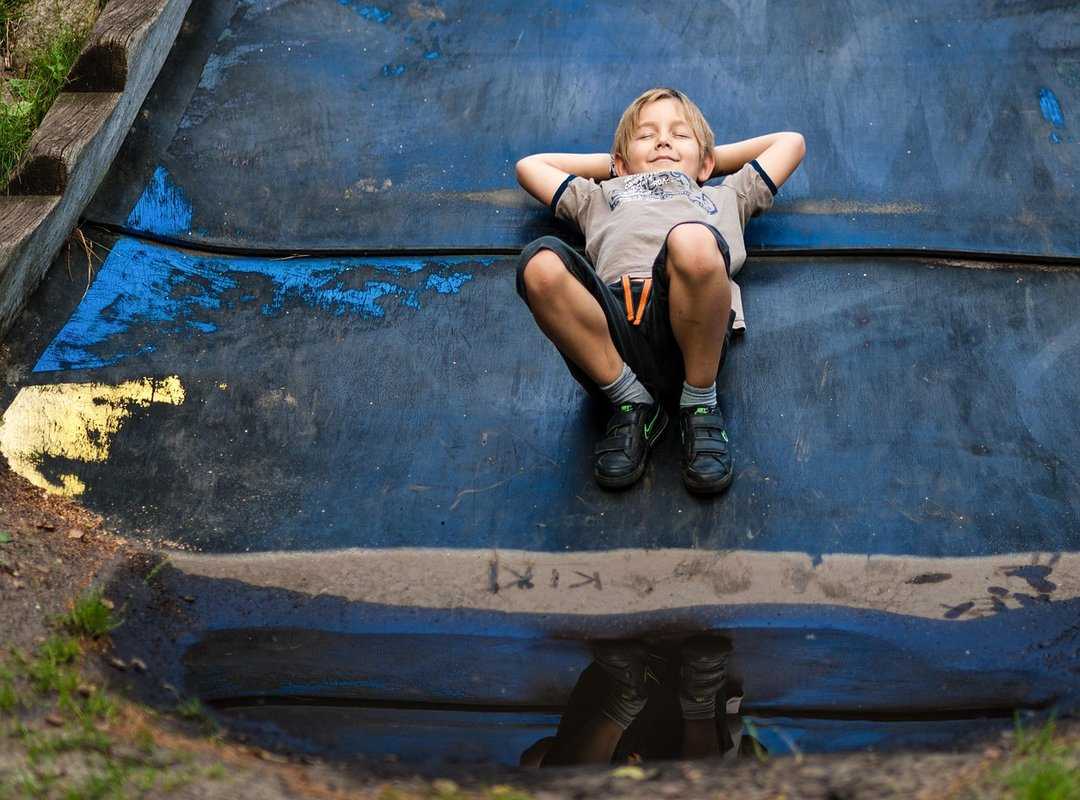
From that first smile at a stranger to playing cooperatively, kids are little sponges soaking up social signals. Parallel play evolves into sharing and empathy. It’s amazing to watch them make friends.
Or hilarious when they argue over toys. Emotional growth is messier. They recognize emotions, but expressing them?
That’s another story.
Self-regulation takes time and a lot of patience. Building resilience and self-esteem requires us to model behavior. You can’t just tell them how to feel; you’ve got to show them.
Help playdates, teach them words for their feelings, and when they express them, validate it. Make them see that all feelings are okay. Secure attachment is a thing too (basically, kids need to feel safe to explore emotionally).
Responsive parenting is your best bet at this. Consistency in boundaries makes a world of difference.
Need more pointers? Check this detailed guide. It’s not always clear-cut how things will turn out.
I’m not sure if there’s one right path. But isn’t that the beauty of the journey?
Supporting Your Child’s Unique Journey
Every kid has their own rhythm. They hit child development milestones at their own pace, and it’s our job to celebrate their quirks and achievements. Does it sometimes feel like a race?
Sure, but let’s not get caught up in that. Watching them grow and learn is a treasure.
So how do you create a supportive environment? Simple. Let them explore.
Give them the space to be themselves. Positive reinforcement goes a long way (a pat on the back never hurt anyone). Patience is key.
Just watch them. You’ll learn a lot by just observing.
As parents, we often forget about ourselves. Self-care isn’t just a buzzword; it’s important. A calm parent is a present parent.
You can’t pour from an empty cup, right? Take a breather when you need it, and you’ll be better equipped to support your child.
Early intervention is key, but don’t panic.
Now, the big question: when should you be worried? Trust your instincts. If something feels off, it might be time to consult a pediatrician.
For more on creating a safe environment, check out important safety tips baby proofing. It’s worth a read to make sure your home is ready for anything.
Embrace Your Parenting Journey
You’ve taken a big step toward understanding your child’s growth. That worry and confusion about your child’s development? It’s normal.
By focusing on child development milestones, you can celebrate each achievement. Recognize that every child progresses at their own pace.
Trust your instincts. Keep exploring resources. Remember, creating a loving environment is key.
If you ever feel overwhelmed, connect with trusted experts for personalized support.
You’ve got this. Embrace each moment and know you’re not alone. Take action now (dive) deeper into resources that can help you get through this journey with confidence.
